The Neon High Wire
Leclerc and Perez battle along the illuminated Strip in a low-grip tactical duel under the lights of Las Vegas.

The Key Figures
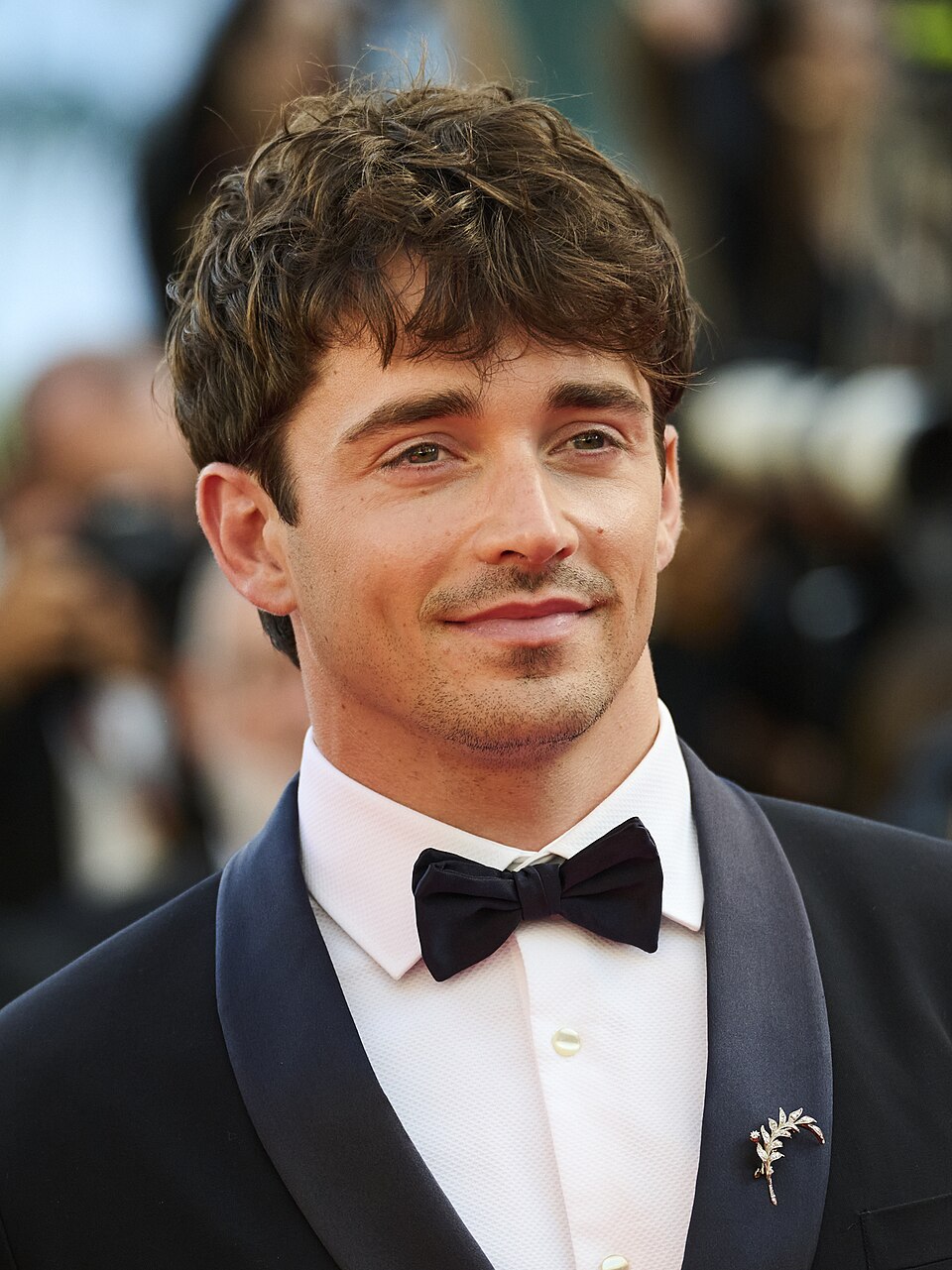
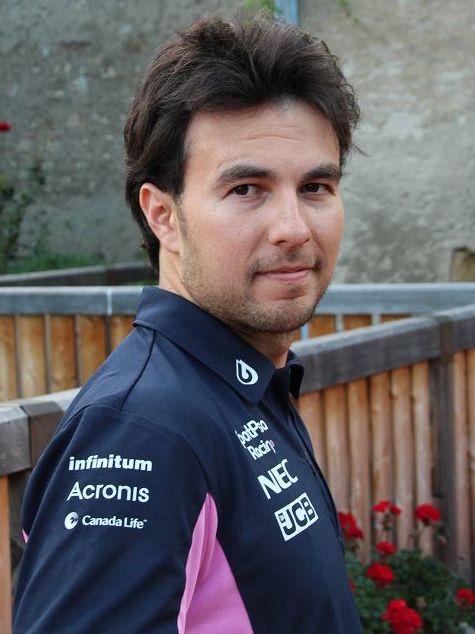
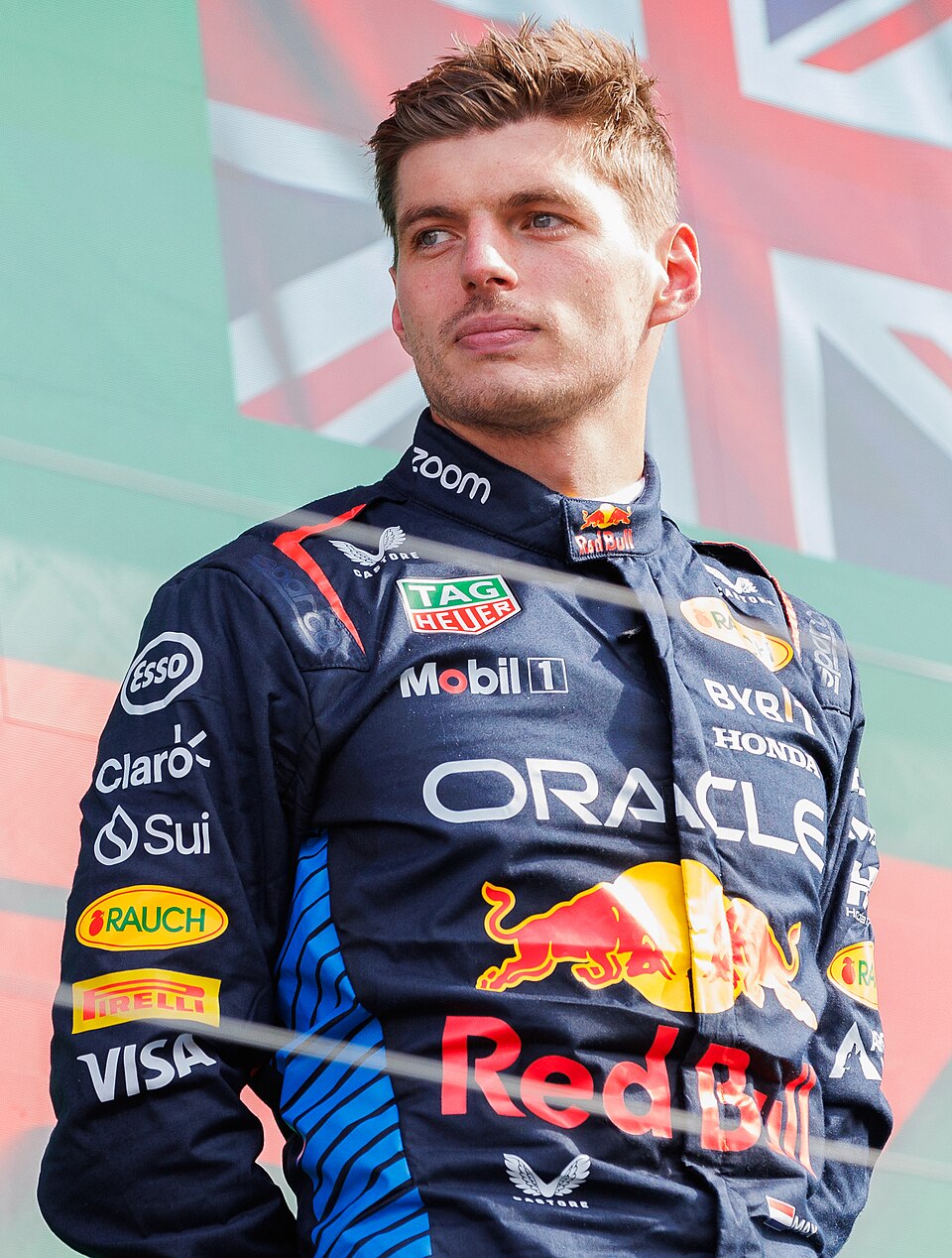
The On-Screen Drama
The inaugural Las Vegas Grand Prix faces intense paddock scrutiny after drain cover damage halts opening practice. When racing begins under sub-15-degree desert night conditions, Charles Leclerc fights through safety car disadvantages to contest a final-lap slipstreaming duel against Sergio Perez.
Reality versus the Television Edit
Television framing exaggerated paddock discord and treated the race as a theatrical exhibition. Engineering telemetry reveals cold ambient temperatures (13 degrees Celsius) transformed tire warmup into a technical tightrope, forcing Ferrari and Red Bull into conflicting aerodynamic downforce choices.
What the Telemetry Tells Us
Las Vegas Braking Gaps and the Turn 14 Overtake
- Leclerc reached 348 km/h down the 1.9-kilometer Strip without DRS on lap 50, trailing Perez by 0.42 seconds at the 200-meter braking board.
- Under initial deceleration for Turn 14, Leclerc braked at 5.1G, carrying 12 km/h higher entry speed down the inside line to secure second position by 0.171 seconds.
- Ferrari's higher downforce rear wing configuration allowed Leclerc to run 0.35 seconds faster per lap through Sector 1's tight radius turns (Turns 1 through 4).